
It breaks your heart to see your child cry over math homework. The tears, the frustration, the defeated “I’m just bad at math” – these moments are devastating for any parent. You’re not alone in feeling helpless as you watch your child struggle, and more importantly, there is a path forward that can transform these painful evenings into moments of confidence and growth.
Understanding the Real Problem: It’s Not About Being “Bad at Math”
When your child cries during math homework, they’re not crying because they lack intelligence or ability. They’re experiencing something very real and surprisingly common: math anxiety. This isn’t just frustration – it’s a genuine psychological response that affects millions of students.
Math anxiety creates a vicious cycle. Each struggle reinforces the belief that “I can’t do this,” which increases stress, which makes it harder to think clearly, which leads to more mistakes, which deepens the anxiety. Your child isn’t failing at math; they’re trapped in a cycle that has nothing to do with their actual capability.
Research shows that math anxiety can affect students at any ability level. Bright, capable children can become paralyzed by fear of making mistakes, especially if they’ve experienced repeated failures or public embarrassment in classroom settings. The emotional pain becomes so strong that it actually interferes with their ability to process mathematical concepts.
Here’s what you need to know: This can be turned around. Math confidence isn’t fixed – it’s built through the right experiences in the right environment.
Why Traditional Approaches Often Fall Short
Many well-meaning parents try to help by sitting with their child during homework, hiring tutors, or encouraging them to “just try harder.” While these approaches come from love, they often miss the core issue: the emotional barrier must be addressed before academic progress can happen.
Traditional classroom settings, even with excellent teachers, can inadvertently reinforce math anxiety. When a child struggles publicly, makes mistakes in front of peers, or falls behind the class pace, each experience adds another layer to their fear. The pressure to keep up, combined with the fear of judgment, creates an environment where learning becomes nearly impossible.
Your child needs three things to rebuild their math confidence:
- A completely safe space where mistakes don’t lead to embarrassment
- Immediate positive feedback that celebrates every small success
- Guaranteed experiences of getting problems right to break the failure cycle
The Science of Rebuilding Math Confidence
Psychological research on learning and confidence reveals a powerful truth: small wins matter more than we realize. When students experience consistent success – even on simple problems – their brain begins to rewire its association with math from “threat” to “achievable challenge.”
The confidence-performance cycle works both ways. Just as repeated failure destroys confidence, repeated success builds it. But here’s the critical part: the success must feel genuine. Students can tell the difference between pity praise and real achievement.
This is where modern educational technology offers something revolutionary. AI-powered learning platforms can create what psychologists call “optimal challenge zones” – problems that are difficult enough to feel meaningful but calibrated precisely to ensure high success rates. This isn’t about making things easy; it’s about making them achievable.
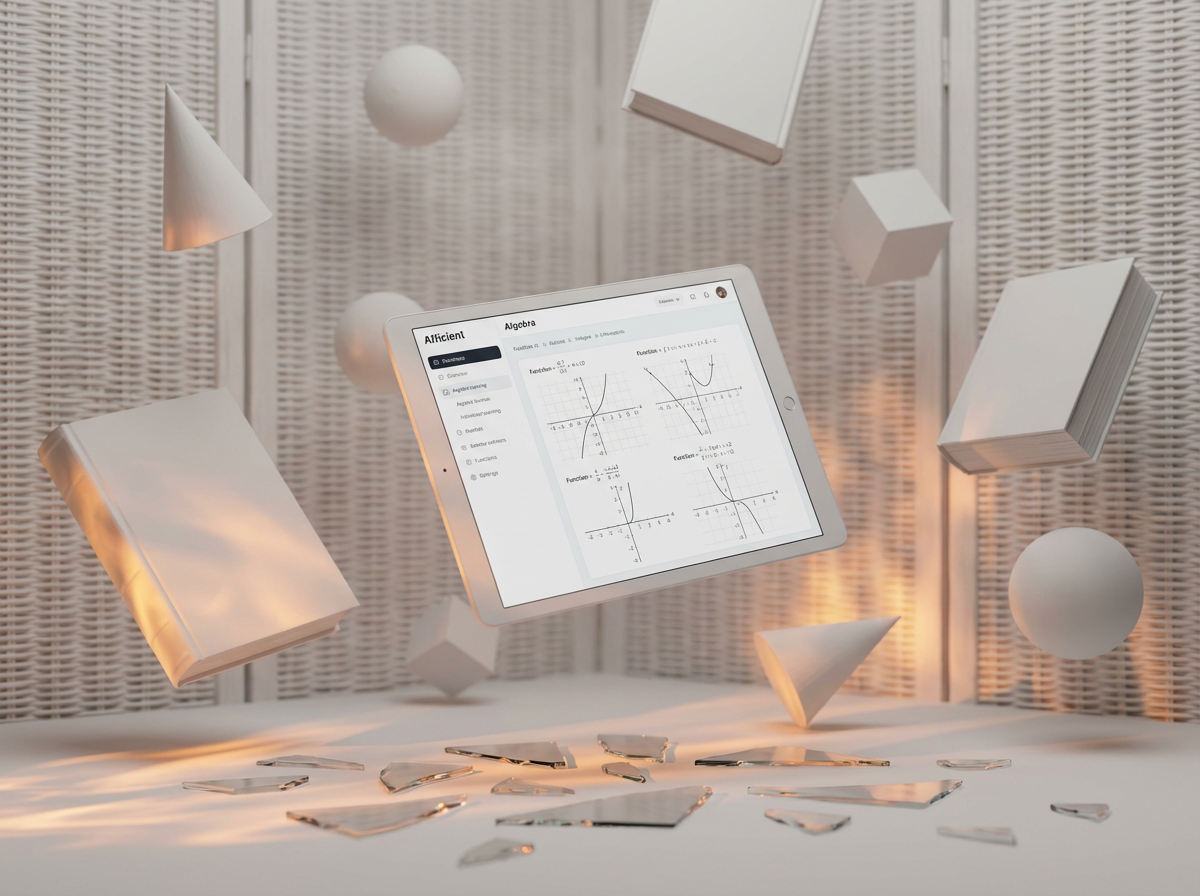
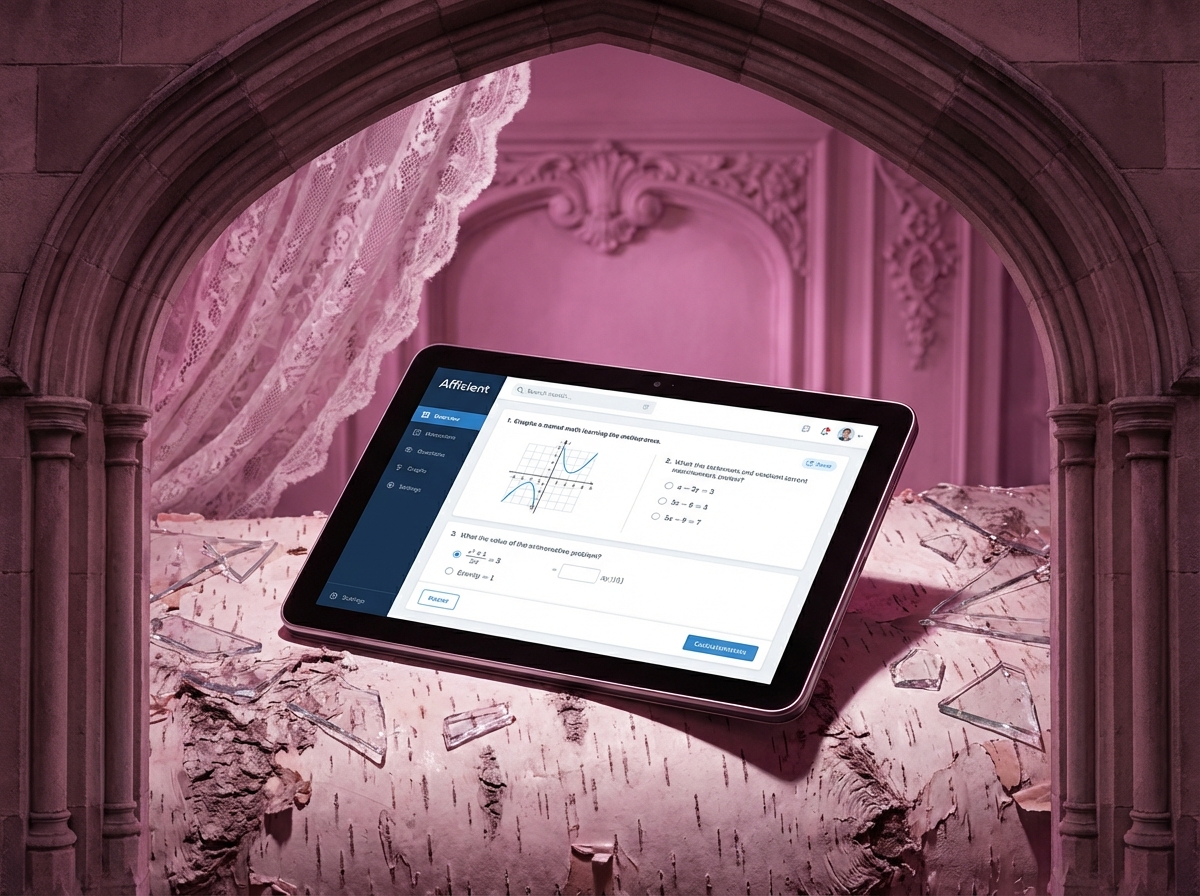
Afficient has pioneered an approach specifically designed to break the math anxiety cycle. Their platform creates a private learning environment where students work at their own pace, free from peer judgment or classroom pressure. The AI tutor adapts in real-time to maintain an optimal challenge level – high enough to build confidence, challenging enough to drive real learning.
What Makes a Confidence-Building Environment Different
Imagine your child working on math in an environment where:
Every correct answer is immediately celebrated. Not with generic praise, but with specific recognition of what they did well. The positive feedback is instant and genuine, creating hundreds of small confidence-building moments in each session.
Mistakes are private learning opportunities. When your child gets something wrong, there’s no public embarrassment, no disappointed looks from teachers or snickers from classmates. Instead, the AI tutor immediately provides supportive guidance and adjusts the next problem to reinforce understanding.
Progress is visible and undeniable. Your child can see their improvement through gamified rewards, milestone tracking, and clear metrics. This isn’t about grades – it’s about watching themselves get better, which is the most powerful confidence builder of all.
Success is guaranteed by design. The AI ensures that students experience consistent achievement. This isn’t lowering standards; it’s strategic scaffolding that builds the foundation for tackling harder challenges.
Real families have experienced remarkable transformations. Parents report children going from tears and “I hate math” to asking “Can I do more math problems?” The shift happens because the emotional barrier is removed first, allowing the natural learning ability to emerge.
Addressing Your Deepest Concerns as a Parent
“Will this really work after so much failure?”
Yes, and here’s why: Your child’s previous failures weren’t about ability – they were about environment. When the environment changes to one that guarantees success and removes judgment, the failure cycle breaks. Students who’ve struggled for years often show improvement within weeks when given the right support structure.
“How long until I see my child smile about math again?”
Many parents report seeing attitude shifts within the first few sessions. When children experience success without pressure, their natural curiosity begins to return. The timeline varies, but the pattern is consistent: small wins lead to reduced anxiety, which leads to better performance, which leads to genuine confidence.
“What if they’re too damaged by past experiences?”
Math anxiety is not permanent damage – it’s a learned response that can be unlearned. Even students with severe math anxiety have successfully rebuilt their confidence and gone on to achieve A/A+ grades. The key is creating enough positive experiences to outweigh the negative ones, which happens faster than most parents expect in a supportive environment.
Supporting Your Child’s Emotional Recovery at Home
While the right learning platform provides the academic structure, parents play a crucial role in emotional support:
What to say: Focus on effort and strategy rather than innate ability. Instead of “You’re so smart,” try “I love how you kept trying different approaches.” Celebrate the process, not just the outcome.
What not to say: Avoid phrases like “I was bad at math too” or “Math is hard.” These normalize struggle and can become self-fulfilling prophecies. Also avoid comparing them to siblings or peers.
Celebrate small wins authentically. When your child completes a homework session without tears, that’s worth acknowledging. When they try a problem they would have avoided before, that’s progress. Make these moments visible.
Create a pressure-free homework environment. Remove time pressure when possible. Let them take breaks. The goal is to associate math with calm focus, not stress and urgency.
The Path Forward: From Tears to Triumph
Your child is not bad at math – they just need the right support to break free from the anxiety cycle. Math confidence can be rebuilt, and when it is, you’ll see not just better grades but a child who approaches challenges with resilience instead of fear.
The transformation from math tears to math confidence follows a predictable pattern:
Week 1-2: Reduced resistance to starting homework, fewer emotional outbursts
Week 3-4: First genuine expressions of “I got it!” and voluntary problem-solving
Week 5-8: Visible confidence growth, willingness to try harder problems
Week 9+: Math becomes just another subject, not a source of dread
Give your child a fresh start in a safe, judgment-free environment. Afficient’s free diagnostic test identifies exactly where your child needs support and creates a personalized path forward – one that prioritizes emotional healing alongside academic progress.
Real Hope for Real Families
Many families have walked this path from math tears to math confidence. The stories are remarkably similar: a child who dreaded math, parents who felt helpless, and then a turning point when the right support created space for natural ability to emerge.
Afficient’s approach works because it addresses the whole child – not just the academic gaps, but the emotional barriers that prevent learning. The AI tutor provides the patience, personalization, and positive reinforcement that rebuilds confidence one problem at a time. The platform proves that when anxiety is removed and confidence is built, academic success follows naturally.
See how Afficient can rebuild your child’s confidence with a free evaluation that takes the pressure off and puts the focus on your child’s unique needs and strengths.
Your Child Can Love Math Again
The tears during math homework don’t have to be permanent. Math anxiety is real, but it’s also reversible. Your child has the ability – they just need an environment that lets that ability shine without fear.
Every child deserves to experience the joy of understanding, the pride of solving a challenging problem, and the confidence that comes from genuine achievement. These aren’t distant dreams – they’re achievable outcomes when the right support meets a child’s natural potential.
Start the healing journey today with Afficient’s free diagnostic test. Give your child the gift of a fresh start, where success is built in, judgment is removed, and confidence grows with every session. The transformation from tears to “Can I do more math?” is closer than you think.
Your child is not broken. They’re not bad at math. They just need the right environment to discover what they’re truly capable of – and that environment is waiting for them.