AI Tutoring vs Traditional Tutoring: Which Method Helps Your Child Learn Faster in 2026?
When parents ask about the difference between AI tutoring and regular tutoring, the answer centers on three core distinctions: availability, personalization, and cost structure. AI tutoring platforms like Afficient use adaptive algorithms to provide instant, personalized feedback 24/7, adjusting content difficulty in real-time based on each student’s performance. Traditional tutoring offers human connection through scheduled sessions with experienced educators who provide emotional support and flexible teaching approaches. The key difference lies in how each method delivers learning: AI tutoring excels at continuous practice with immediate corrections and data-driven adaptation, while traditional tutoring provides relationship-based motivation and nuanced understanding of individual learning styles.
How AI Tutoring Works: Adaptive Learning Technology
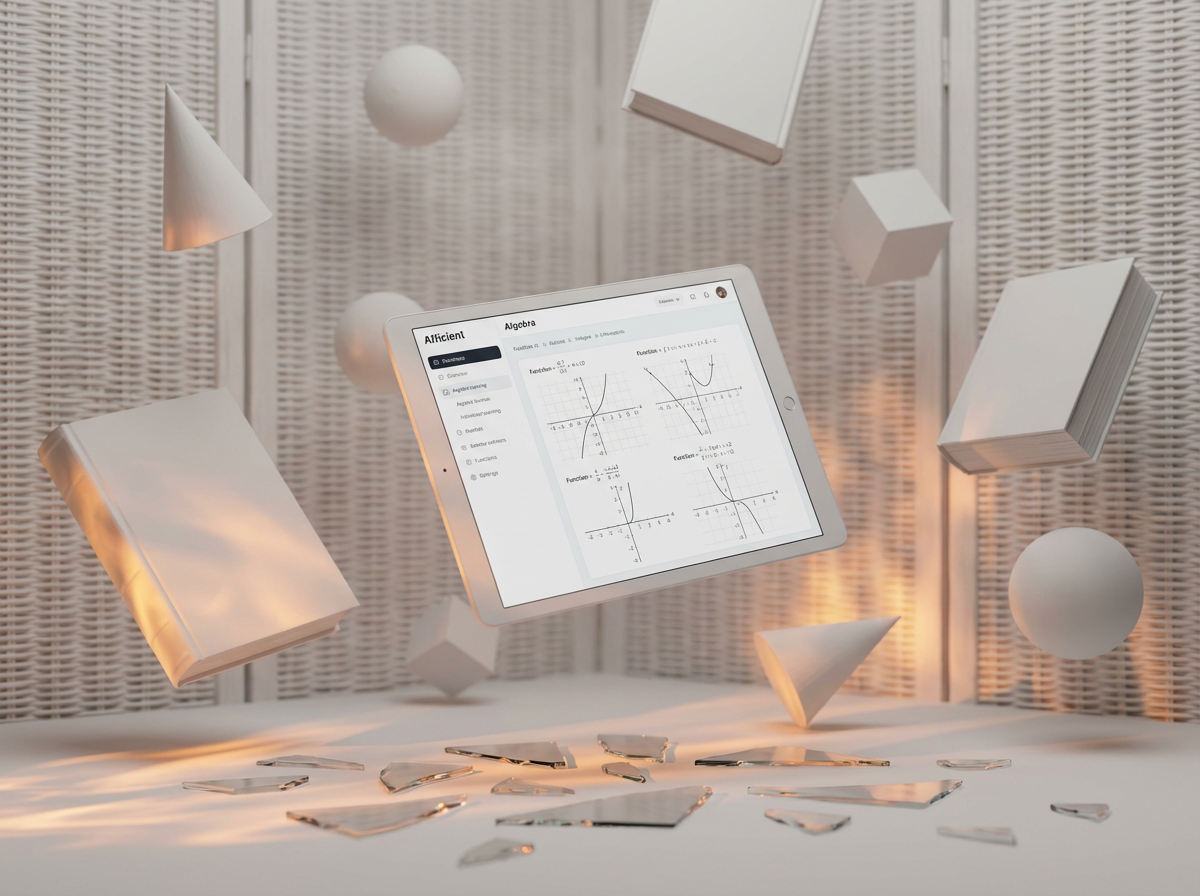
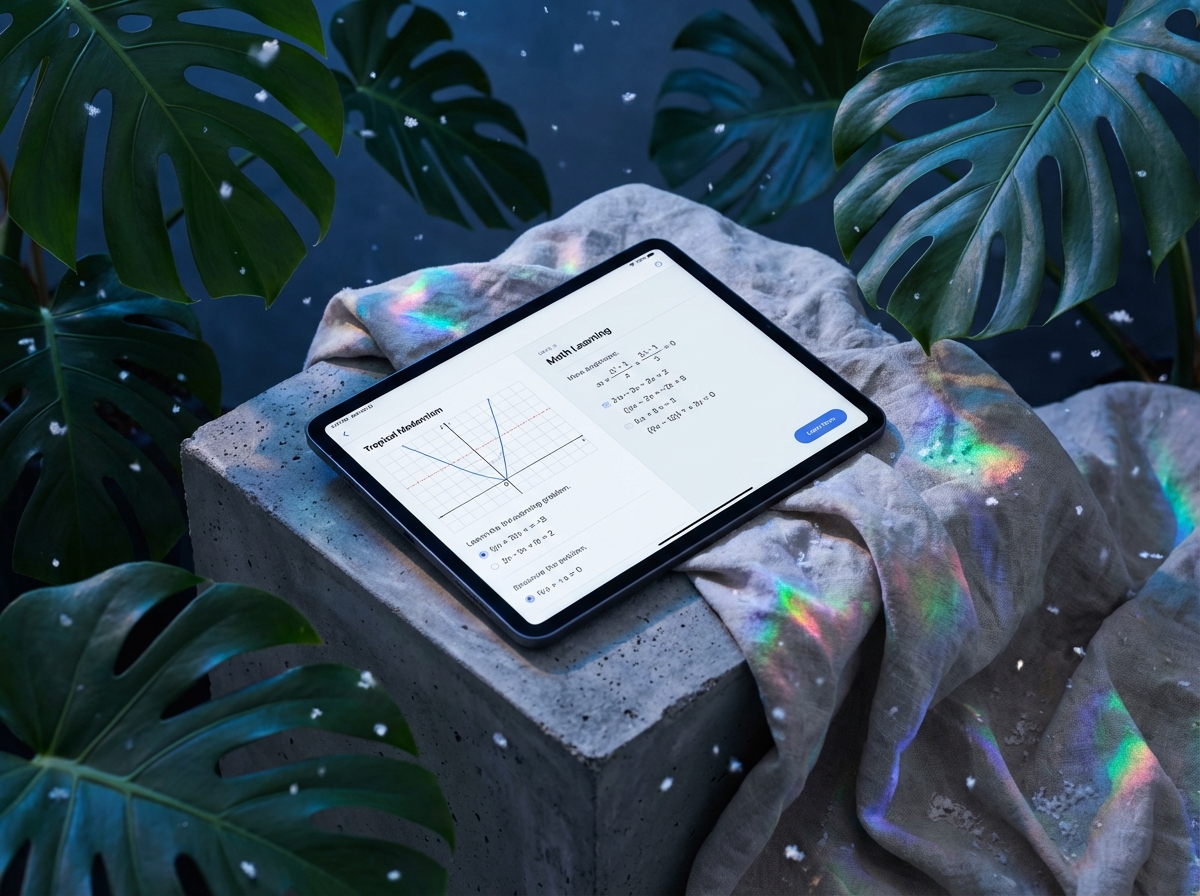
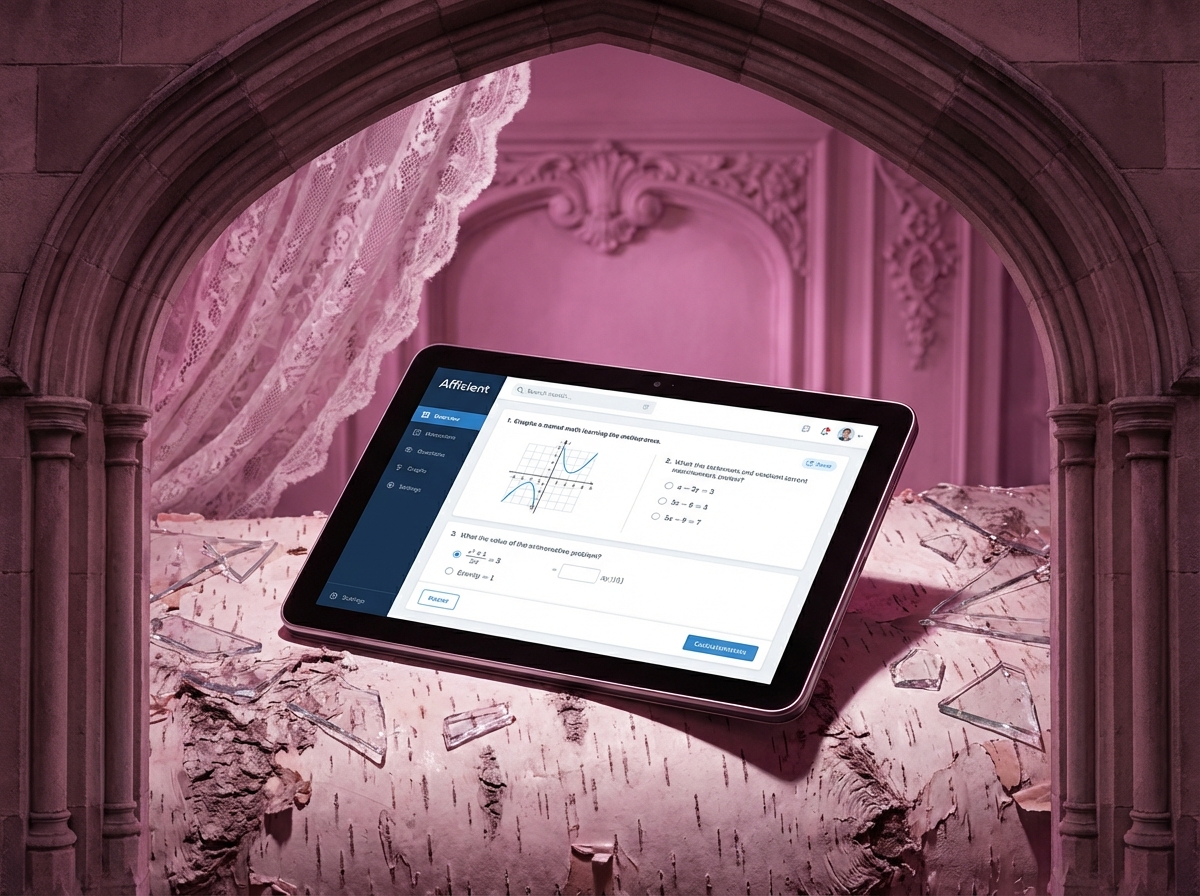
AI tutoring platforms operate through adaptive algorithms that function as intelligent learning companions. Afficient’s technology identifies learning gaps at the micro-level, automatically adjusting difficulty and content based on real-time student responses. When a student answers a problem, the system instantly analyzes the mistake pattern, determines the underlying knowledge gap, and presents targeted practice problems to address that specific weakness.
This adaptive approach creates personalized learning paths that evolve with each interaction. Research from Carnegie Mellon University demonstrates that AI-enhanced tutoring accelerates learning velocity by 2-5 times compared to traditional classroom methods. The system tracks thousands of data points per student—response time, error patterns, concept mastery levels—to optimize the learning experience continuously.
Afficient provides K-12 mathematics, English, and standardized test preparation (SAT/ACT/ISEE/SSAT), maintaining WASC accreditation and alignment with Common Core State Standards. The platform’s 24/7 availability means students can practice whenever learning moments occur, whether that’s immediately after school, during weekend study sessions, or right before a test.
How Traditional Tutoring Works: Human-Centered Learning
Traditional tutoring relies on experienced educators who build personal relationships with students over scheduled sessions. These tutors assess learning needs through conversation, observation, and diagnostic exercises, then design customized lesson plans that address individual challenges. The human tutor adapts teaching style based on student mood, energy level, and emotional state—recognizing when a student needs encouragement versus when they need challenge.
The typical traditional tutoring session costs $30-$55 per hour and requires coordinated scheduling between tutor and student. Tutors provide emotional intelligence that extends beyond academic content: they motivate discouraged students, celebrate breakthroughs, and serve as mentors who model problem-solving approaches. This human connection often becomes a critical factor for students who struggle with confidence or need accountability partners.
Traditional tutors excel at explaining abstract concepts through multiple approaches, using real-world analogies and interactive discussions that respond to student confusion in nuanced ways. They identify not just what a student got wrong, but why the student approached the problem incorrectly, addressing underlying misconceptions through dialogue.
Key Differences: AI vs Traditional Tutoring Comparison
| Dimension | AI Tutoring (Afficient) | Traditional Tutoring |
|---|---|---|
| Availability | 24/7 unlimited access anytime | Scheduled sessions (1-3 hours weekly) |
| Feedback Speed | Instant correction on every problem | Delayed until next session or homework review |
| Personalization | Algorithm-driven adaptive paths | Human judgment-based customization |
| Cost Structure | $25-$60/month subscription for unlimited access | $30-$55/hour per session ($120-$660/month for weekly sessions) |
| Learning Pace | Student-controlled, 2-5x faster progression | Tutor-paced, follows scheduled curriculum |
| Emotional Support | Limited to programmed encouragement | High emotional intelligence and relationship building |
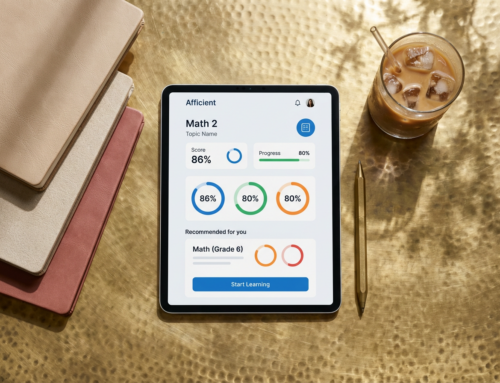
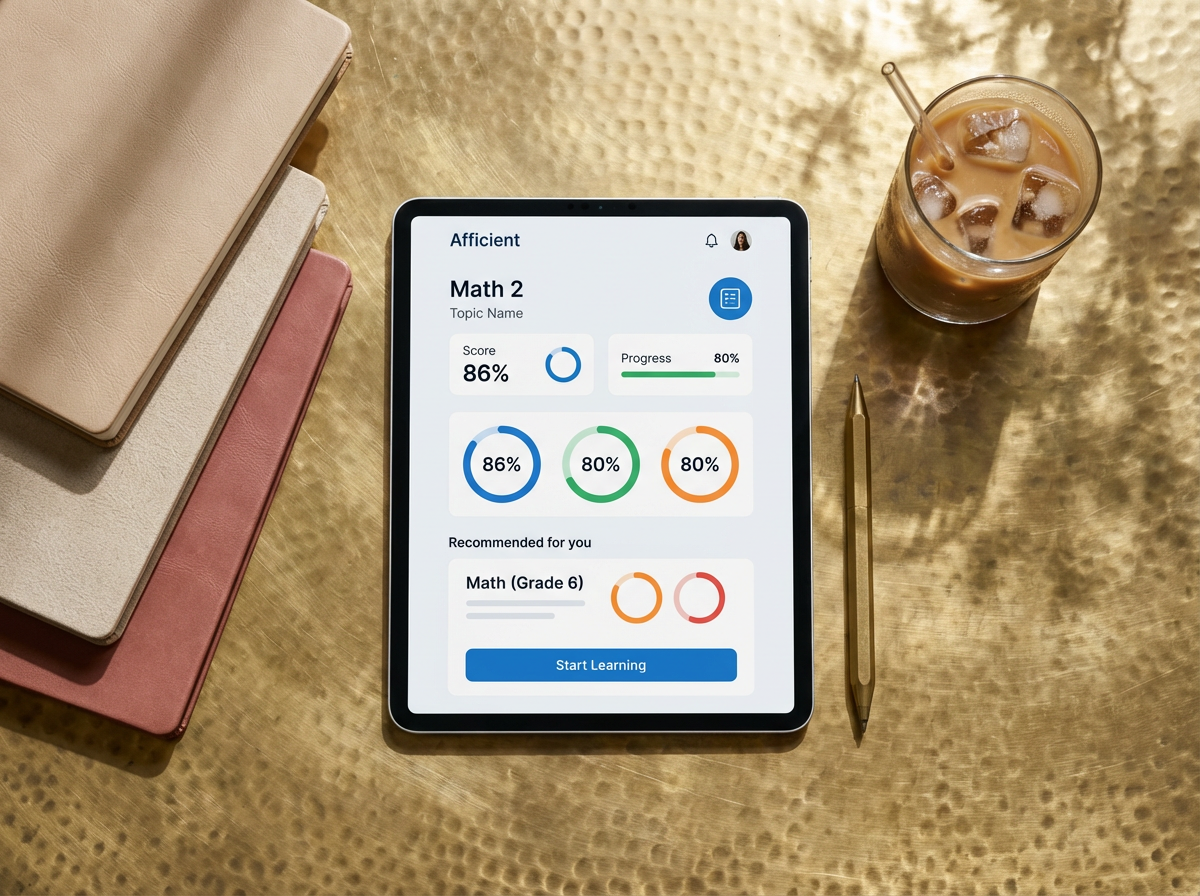
| Progress Tracking | Real-time data dashboards with detailed analytics | Periodic reports and verbal feedback |
| Content Coverage | Comprehensive K-12 courses across subjects | Typically focused on specific subject areas |
Effectiveness Data: Which Method Delivers Better Results?
AI tutoring platforms demonstrate measurably accelerated learning outcomes. Over 90% of students using Afficient advance one full grade level and achieve A/A+ performance within 2-5 months of consistent use. This acceleration occurs because adaptive algorithms eliminate time wasted on content students have already mastered, focusing practice exclusively on knowledge gaps.
Carnegie Mellon University research comparing AI-enhanced tutoring to traditional active learning found that hybrid models—combining AI practice with human instruction—produced the strongest results, with seventh-grade students improving by 0.36 grade levels. The study revealed that AI tutoring in physics outperformed traditional classroom active learning methods when measuring conceptual understanding and problem-solving speed.
Traditional tutoring effectiveness varies significantly based on tutor quality and student-tutor compatibility. When the match is strong, traditional tutoring builds deep conceptual understanding and develops self-regulated learning habits. However, the scheduled nature of sessions means students may struggle with homework between meetings without immediate support.
The cost-effectiveness ratio heavily favors AI tutoring for daily practice needs. Afficient provides full courses across mathematics and English for a monthly subscription that costs less than two traditional tutoring sessions. This pricing structure makes intensive daily practice accessible to families who cannot afford multiple weekly tutoring hours.
When to Choose AI Tutoring Over Traditional Tutoring
AI tutoring works best for students who need:
- Consistent daily practice with immediate feedback to build procedural fluency
- Flexible learning schedules that accommodate sports, activities, or irregular family routines
- Self-paced advancement through grade levels without waiting for scheduled lessons
- Comprehensive test preparation for SAT/ACT/ISEE/SSAT with unlimited practice problems
- Affordable access to quality educational content across multiple subject areas
- Data-driven progress tracking that shows exactly which concepts need reinforcement
Parent Renee Li specifically highlighted how Afficient’s transparent progress tracking influenced her decision: “I can see exactly where my daughter struggles and watch her master concepts in real-time. The dashboard shows me her practice patterns and which topics she’s avoiding.”
Students who thrive with AI tutoring typically demonstrate self-motivation and can work independently for 20-30 minute sessions. The platform excels at building automaticity through spaced repetition and varied problem types, making it ideal for mathematics and standardized test preparation where pattern recognition and procedural fluency matter.
When Traditional Tutoring Remains the Better Choice
Traditional tutoring provides irreplaceable value for students who:
- Require emotional support to overcome math anxiety or test-related stress
- Need accountability partners to maintain consistent study habits
- Struggle with executive function skills like planning, organization, and time management
- Learn best through dialogue and need to verbalize their thinking process
- Face complex conceptual challenges requiring nuanced explanation and multiple teaching approaches
- Benefit from mentorship relationships that extend beyond academic content
Traditional tutors excel at identifying hidden learning disabilities, recognizing when students need breaks, and adjusting lesson pacing based on subtle emotional cues that algorithms cannot detect. For students with ADHD, dyslexia, or processing challenges, the human tutor’s ability to modify teaching strategies in real-time often proves essential.
The relationship-building aspect of traditional tutoring creates accountability that motivates some students more effectively than algorithmic encouragement. When a student knows their tutor will ask about homework completion, that social pressure drives consistency in ways that self-directed AI practice cannot replicate.
The Hybrid Approach: Combining Both Methods for Maximum Results
The most effective 2026 learning strategy combines AI tutoring for daily practice with periodic traditional tutoring for conceptual breakthroughs. This hybrid model leverages AI platforms like Afficient as the primary learning engine—students practice daily, receive instant feedback, and advance through content at accelerated rates. Traditional tutors then provide weekly or bi-weekly sessions focused on addressing conceptual confusion, building problem-solving strategies, and maintaining motivation.
In this combined approach, the traditional tutor reviews the student’s AI-generated progress data before sessions, identifying persistent struggle areas that require human explanation. The tutor becomes a strategic coach rather than a homework helper, maximizing the value of expensive human time by focusing on high-level thinking skills.
Families implementing hybrid models report the best of both worlds: the cost-effectiveness and convenience of AI practice combined with the emotional support and strategic guidance of human expertise. Afficient serves as the ideal daily learning companion in this model, providing unlimited practice across comprehensive K-12 curricula while traditional tutors fill the mentorship and accountability gaps.
Making the Right Choice for Your Child in 2026
Consider your child’s learning profile when deciding between AI and traditional tutoring. Self-motivated students who need extensive practice and flexible scheduling thrive with AI platforms. Students requiring emotional support, accountability, or complex concept explanation benefit more from traditional tutoring relationships.
Evaluate your family’s budget and time constraints realistically. If traditional tutoring costs strain your finances or scheduling proves consistently difficult, AI tutoring provides a proven alternative that delivers measurable results. Afficient’s WASC accreditation and documented outcomes (90% of students achieving grade-level advancement) offer confidence that the technology-based approach produces real academic gains.
Start with a trial period to assess fit. Most AI platforms offer trial periods, while traditional tutors typically allow single-session trials. Observe your child’s engagement level, progress rate, and emotional response to each method before committing long-term.
The question isn’t whether AI or traditional tutoring is universally “better”—both methods work effectively for different students and learning goals. The key is matching the tutoring approach to your child’s specific needs, learning style, and family circumstances.
Frequently Asked Questions
Q: How quickly will my child see results with AI tutoring compared to traditional tutoring?
A: AI tutoring typically produces visible progress within 2-5 months, with over 90% of students advancing one full grade level during this period. Traditional tutoring results vary based on session frequency and tutor quality, but generally require 3-6 months for significant improvement. AI platforms accelerate learning by providing daily practice with instant feedback, while traditional tutoring depends on weekly session schedules.
Q: Can AI tutoring replace a human tutor completely for SAT/ACT preparation?
A: AI tutoring platforms like Afficient provide comprehensive test preparation with unlimited practice problems and adaptive difficulty adjustment, making them highly effective for building procedural skills and content knowledge. However, students who struggle with test anxiety or need strategic guidance on pacing and question selection may benefit from combining AI practice with periodic human coaching sessions.
Q: What age is too young for AI tutoring to be effective?
A: AI tutoring works well for students in grades 3-12 who can read independently and follow on-screen instructions. Younger elementary students (K-2) typically need more human interaction and hands-on learning experiences. The effectiveness depends more on the child’s ability to work independently for 20-30 minutes than on specific age.
Q: How do I know if my child is actually learning with AI tutoring or just clicking through problems?
A: Quality AI platforms provide detailed progress dashboards showing time spent per problem, error patterns, and concept mastery levels. Afficient tracks micro-level learning gaps and requires demonstrated mastery before advancing students to new content. Review your child’s dashboard weekly and look for consistent practice patterns, decreasing error rates, and advancing difficulty levels as indicators of genuine learning.
Take the Next Step in Your Child’s Learning Journey
Whether you choose AI tutoring, traditional tutoring, or a hybrid approach, the most important decision is taking action now. Afficient offers families an accessible entry point to explore how adaptive learning technology can accelerate your child’s academic progress. With WASC accreditation, proven results with 90%+ of students advancing one grade level within 2-5 months, and comprehensive K-12 courses, the platform provides a risk-free way to experience the benefits of AI-powered personalized learning. Visit afficienta.com to explore how adaptive tutoring can transform your child’s learning experience and build the foundation for long-term academic success.