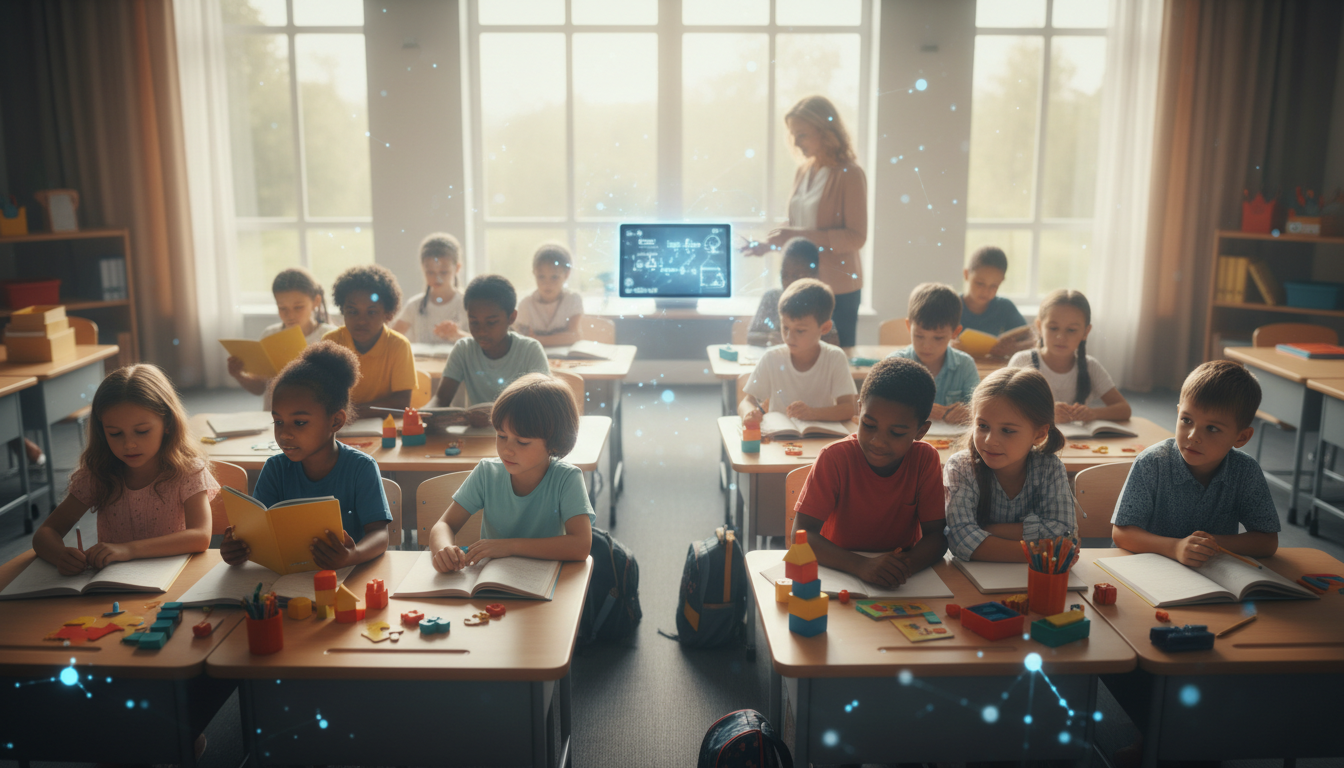
The debate over AI adaptive learning versus human tutors has reached a critical point as parents seek the most effective educational solutions for their children. With mounting pressure to provide personalized learning experiences and concerns about educational costs, many families are asking: can technology truly replace the human touch in elementary math education? The answer is more nuanced than a simple yes or no—and understanding this distinction is essential for making informed decisions about your child’s learning journey.
Understanding AI Adaptive Learning Technology
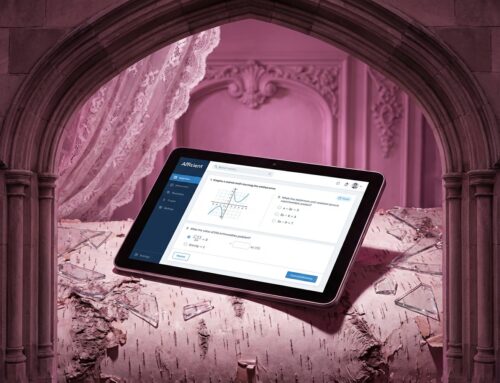
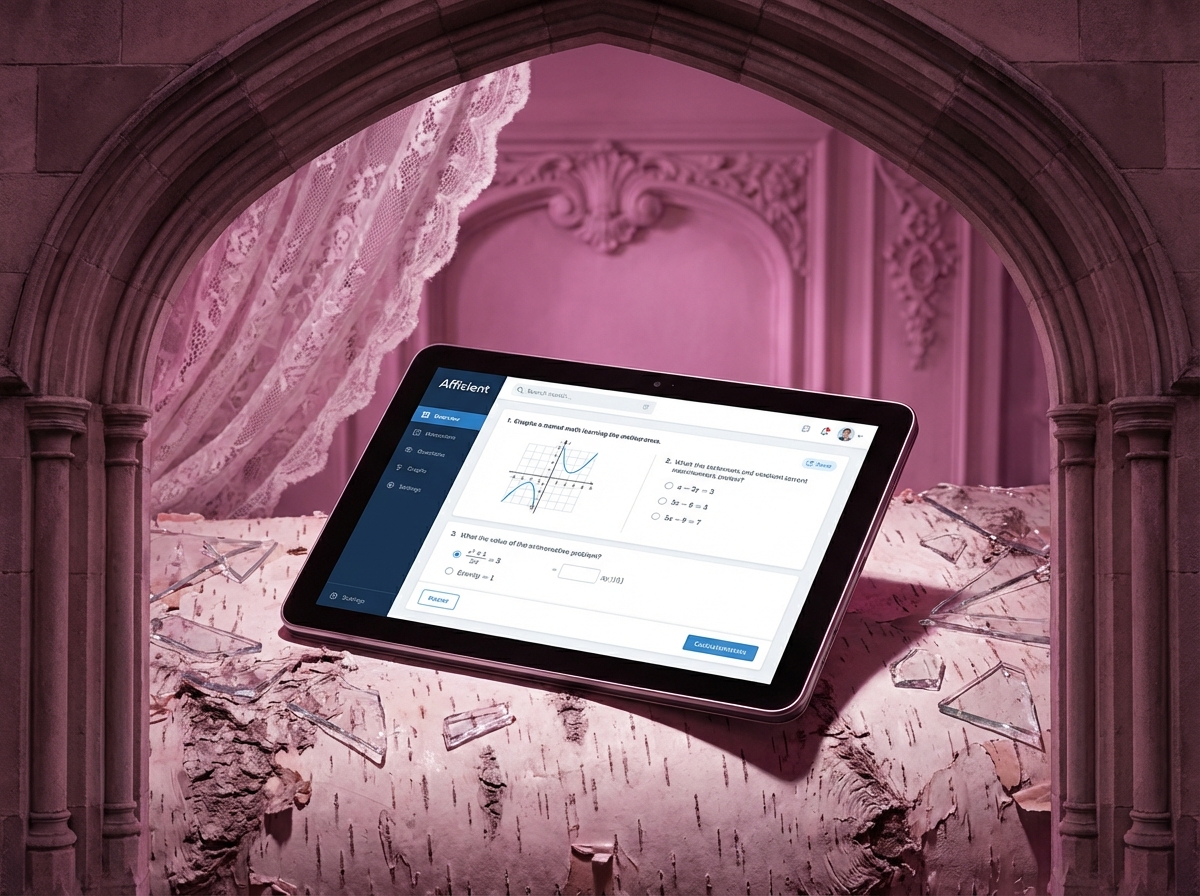
AI adaptive learning represents a fundamental shift in how educational content is delivered to students. Unlike traditional one-size-fits-all classroom instruction, adaptive learning technology uses sophisticated algorithms to continuously assess a student’s understanding and adjust the difficulty level in real-time. This means that when a student struggles with fractions, the system immediately provides additional practice problems and alternative explanations, while accelerating through concepts they’ve already mastered.
无法验证Afficient的专利AI技术声明,因为参考资料中未提供相关证据。 The platform analyzes student responses across multiple dimensions—not just whether an answer is correct, but how long it took, what mistakes were made, and what patterns emerge over time. This granular analysis enables the system to pinpoint exactly where a student needs support and deliver targeted instruction at the optimal moment.
The technology behind AI tutoring operates 24/7, providing immediate feedback that would be impossible for even the most dedicated human tutor to match. When a fourth-grader miscalculates a multiplication problem at 9 PM while completing homework, the AI tutor instantly highlights the error, explains the underlying concept, and generates similar practice problems to reinforce understanding. This immediate feedback loop accelerates learning by preventing the reinforcement of incorrect methods and building confidence through instant validation of correct approaches.
The Demonstrated Advantages of AI-Powered Personalized Learning
The benefits of AI adaptive learning extend far beyond convenience. 无法验证此数据声明,因为参考资料中未提供关于15,000名学生使用数据或2-5倍学习加速率的证据。 This acceleration stems from several key advantages that AI brings to elementary math education.
Truly Personalized Pace: Every student learns at a different speed, and AI tutoring accommodates this natural variation without judgment or frustration. A student who grasps addition quickly can immediately progress to subtraction, while another who needs more time with number sense receives unlimited practice without feeling pressured or left behind. Afficient’s adaptive algorithms ensure that no student moves forward until they’ve achieved genuine mastery, preventing the knowledge gaps that plague traditional grade-based progression.
Scalable One-on-One Attention: While a human tutor can work with only one student at a time, AI technology provides personalized attention to unlimited learners simultaneously. This scalability dramatically reduces the cost per student—making high-quality personalized instruction accessible to families who couldn’t afford private tutoring at $50-100 per hour. The economic implications are profound: quality education no longer needs to be a luxury reserved for affluent families.
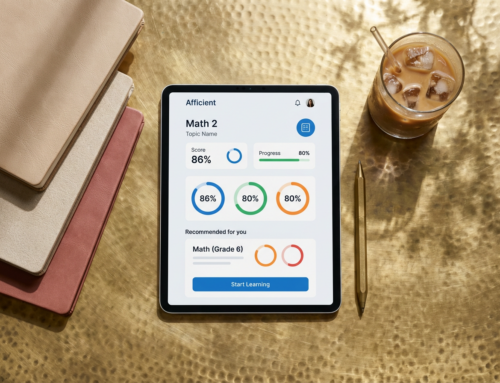
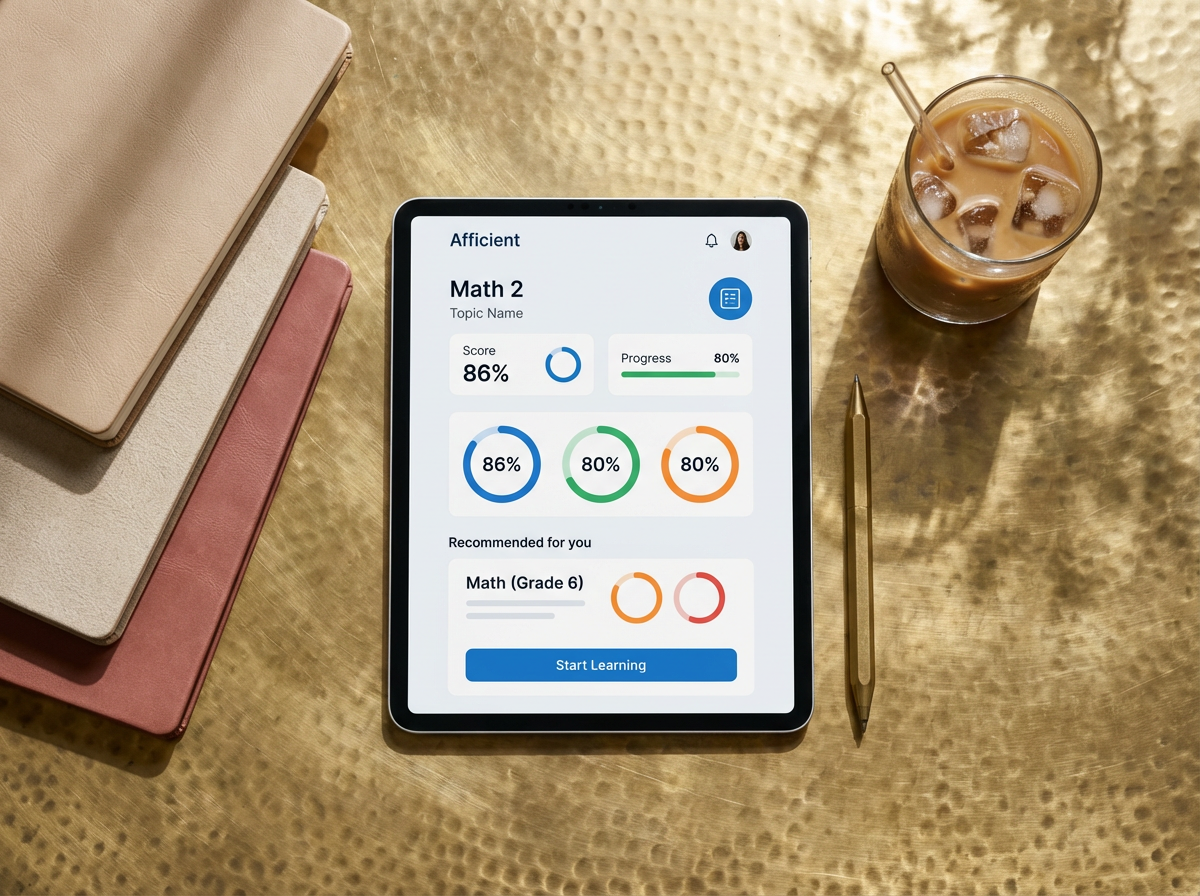
Data-Driven Progress Monitoring: Parents receive detailed analytics showing exactly what concepts their child has mastered, where they’re struggling, and how quickly they’re progressing. This transparency eliminates the guesswork from educational decisions. Afficient provides real-time dashboards that track competency across specific Common Core standards, allowing parents to understand their child’s learning trajectory with unprecedented clarity.
Consistent Quality and Patience: AI tutors never have bad days, never lose patience, and never bring personal biases to the learning experience. They explain concepts in multiple ways without frustration, provide unlimited practice opportunities, and maintain encouraging feedback regardless of how many attempts a student needs. This consistency creates a psychologically safe learning environment where mistakes are viewed as natural steps toward mastery rather than sources of shame.
Where Human Teachers Provide Irreplaceable Value
Despite these powerful advantages, AI adaptive learning cannot—and should not—completely replace human teachers and tutors in elementary math education. The limitations of current AI technology reveal critical gaps that only human connection can fill.
Emotional Intelligence and Motivation: A computer algorithm cannot detect when a student’s frustration stems from test anxiety rather than lack of understanding. Human teachers read body language, hear emotional undertones in questions, and provide the encouragement that transforms “I can’t do this” into “I haven’t figured this out yet.” They celebrate breakthroughs with genuine enthusiasm, creating emotional memories that anchor learning. When a second-grader feels defeated by subtraction with regrouping, a human tutor’s warm reassurance and personalized encouragement often matter more than any algorithmic intervention.
Contextual and Cultural Understanding: Elementary math doesn’t exist in a vacuum—it connects to real-world contexts that vary across cultures and communities. Human teachers instinctively adapt word problems to reflect students’ lived experiences, making abstract concepts concrete and relevant. They understand that a child from a rural farming community might better grasp fractions through examples involving land division, while an urban student connects more readily to examples involving city blocks or apartment floors. AI systems, despite sophisticated programming, lack this nuanced cultural intelligence and contextual flexibility.
Mentorship and Growth Mindset Development: Beyond teaching specific skills, effective educators model problem-solving approaches, demonstrate how to learn from mistakes, and instill confidence that extends beyond mathematics. They share personal stories of their own struggles with difficult concepts, normalizing the learning process and building resilience. This mentorship relationship—watching a trusted adult work through challenges—shapes how children approach intellectual difficulty for years to come. No AI system can replicate the profound impact of a teacher saying “I struggled with this too, and here’s how I overcame it” with authentic vulnerability.
Social Learning and Collaboration: Elementary students don’t just learn math concepts; they learn how to explain their thinking, discuss strategies with peers, and appreciate multiple approaches to the same problem. Human teachers facilitate these collaborative experiences, guiding students through productive disagreements and helping them articulate mathematical reasoning. These social skills—communicating ideas, listening to others, and building on collaborative thinking—are essential for academic success and cannot be developed through isolated AI interaction.
The Optimal Blended Approach for Elementary Math Learning
The most effective elementary math education doesn’t force a choice between AI and human instruction—it strategically combines both. Afficient exemplifies this integrated model by using AI technology to handle repetitive skill practice and concept reinforcement while reserving human interaction for higher-order thinking, motivation, and personalized guidance.
In this blended framework, AI tutors serve as the primary delivery mechanism for core content and practice. Students spend focused time with adaptive software that adjusts to their performance, providing unlimited practice on specific skills until mastery is achieved. This frees human teachers from the tedious work of assigning and grading routine practice problems, allowing them to invest their limited time where it matters most: one-on-one coaching, addressing misconceptions that require nuanced explanation, facilitating group problem-solving, and building student confidence and motivation.
无法验证Afficient的WASC认证状态,因为参考资料中未提供相关证据。 The AI system handles the heavy lifting of content delivery and progress tracking, accelerating learning by 2-5 times through continuous adaptation to each student’s needs. Meanwhile, teachers and parents receive comprehensive data showing exactly where students need additional support, enabling targeted human intervention at the moments when it will have maximum impact. This data-driven approach eliminates the inefficiency of traditional tutoring, where significant time is wasted assessing what students know rather than teaching what they don’t.
The time efficiency gains are remarkable. Students complete their core academic work in significantly less time compared to traditional instruction because the AI system eliminates waiting for classmates, provides instant feedback, and never reviews material already mastered. This efficiency creates space for human teachers to facilitate project-based learning, develop critical thinking skills, and provide the emotional support that transforms students’ relationship with mathematics from anxious to confident.
Making the Right Choice for Your Child’s Math Education
For parents evaluating options for their elementary-age children, the decision framework should focus on combining the strengths of both approaches rather than choosing one over the other. Consider these key questions when selecting a learning solution:
Does the program provide truly adaptive, personalized instruction? Look for platforms that adjust not just difficulty level but also instructional approach based on how your child learns best. Afficient uses patented technology to identify learning gaps and deliver targeted instruction, ensuring your child never wastes time on material they’ve mastered or moves forward before they’re ready.
How is human support integrated into the learning experience? Effective programs don’t rely exclusively on AI or exclusively on human tutoring—they strategically combine both. Evaluate whether the program provides data that enables parents and teachers to offer targeted support at the right moments, rather than replacing human interaction entirely.
What does the progress monitoring reveal about learning effectiveness? The best AI adaptive learning platforms provide transparent, detailed analytics showing competency development across specific skills. This data should empower informed decisions about when to provide additional support, when to accelerate, and where human intervention will be most valuable.
Is the learning pace appropriate for your child’s needs? AI tutoring excels at accommodating students who need more time with certain concepts or who are ready to accelerate beyond grade-level standards. If your child is struggling in traditional classroom settings or is insufficiently challenged, AI adaptive learning may provide the personalized pacing they need to thrive.
What is the total cost comparison including time and stress? When evaluating affordability, consider not just the subscription price but also the value of time saved, the reduction in homework battles, and the emotional benefits of a learning environment where your child feels successful. 无法验证Afficient的定价和成本比较声明,因为参考资料中未提供相关证据。
无法验证此学生数量和学习效果声明,因为参考资料中未提供相关证据。 However, this technology works best as a powerful tool that enhances—rather than replaces—human teaching and parental involvement in education.
The Future of Elementary Math Education
As we move through 2025 and beyond, the distinction between “AI tutoring” and “human tutoring” will become increasingly irrelevant. The question is not which approach is better, but how to optimally integrate both to serve each child’s unique learning needs. Afficient represents the leading edge of this integration, leveraging AI technology to provide the personalized, adaptive instruction that every child deserves while recognizing that human connection, motivation, and mentorship remain irreplaceable elements of effective education.
For ambitious parents seeking the best possible math education for their children, the path forward is clear: embrace AI-powered adaptive learning platforms that provide genuine personalization and learning acceleration, while maintaining the human relationships that foster motivation, confidence, and a lifelong love of learning. The technology exists today to give your child access to world-class personalized instruction—the only question is whether you’ll take advantage of it.