
When middle school students struggle with math or need to advance beyond their current grade level, parents often find themselves comparing two popular options: Afficient Academy and Kumon. Both programs promise to improve math skills, but they take fundamentally different approaches. Understanding these differences is crucial for making the right choice for your child’s learning needs.
The Core Difference: AI-Driven Personalization vs Traditional Worksheets
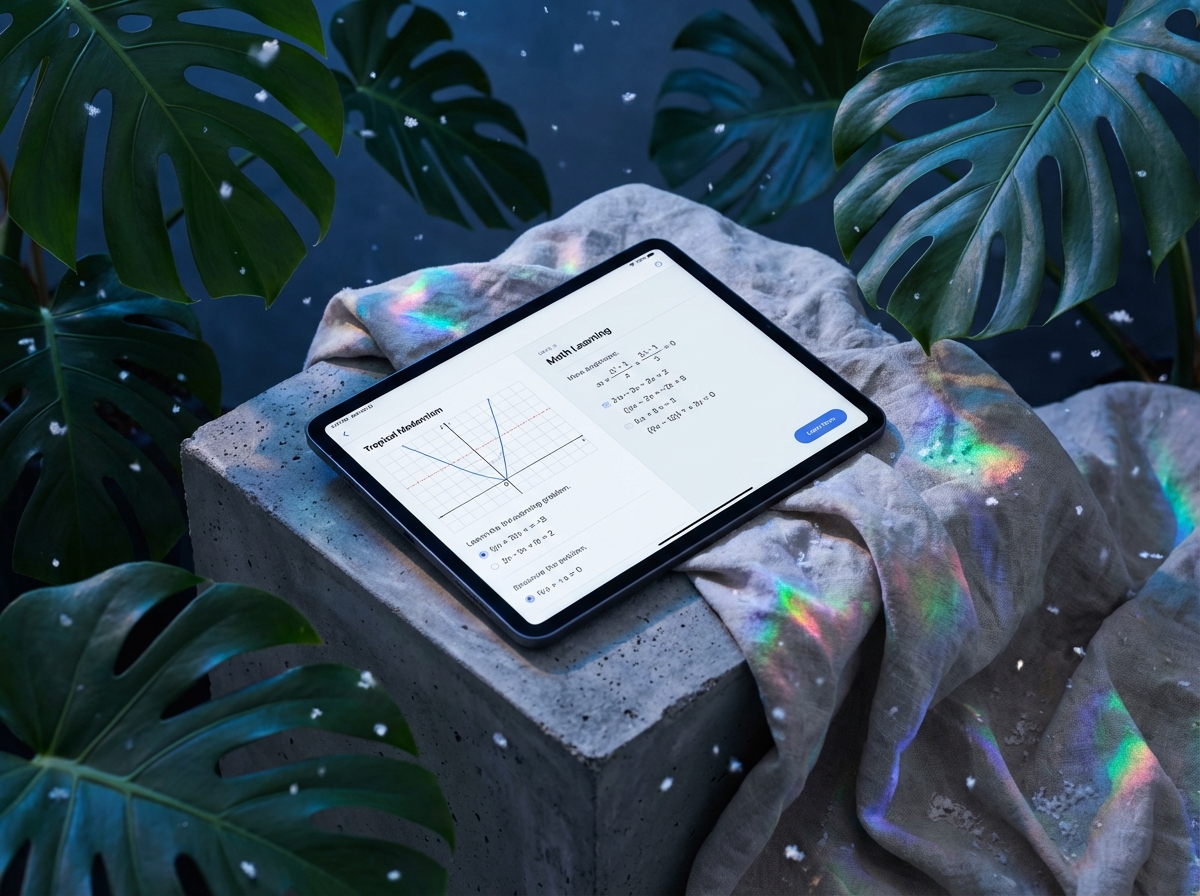
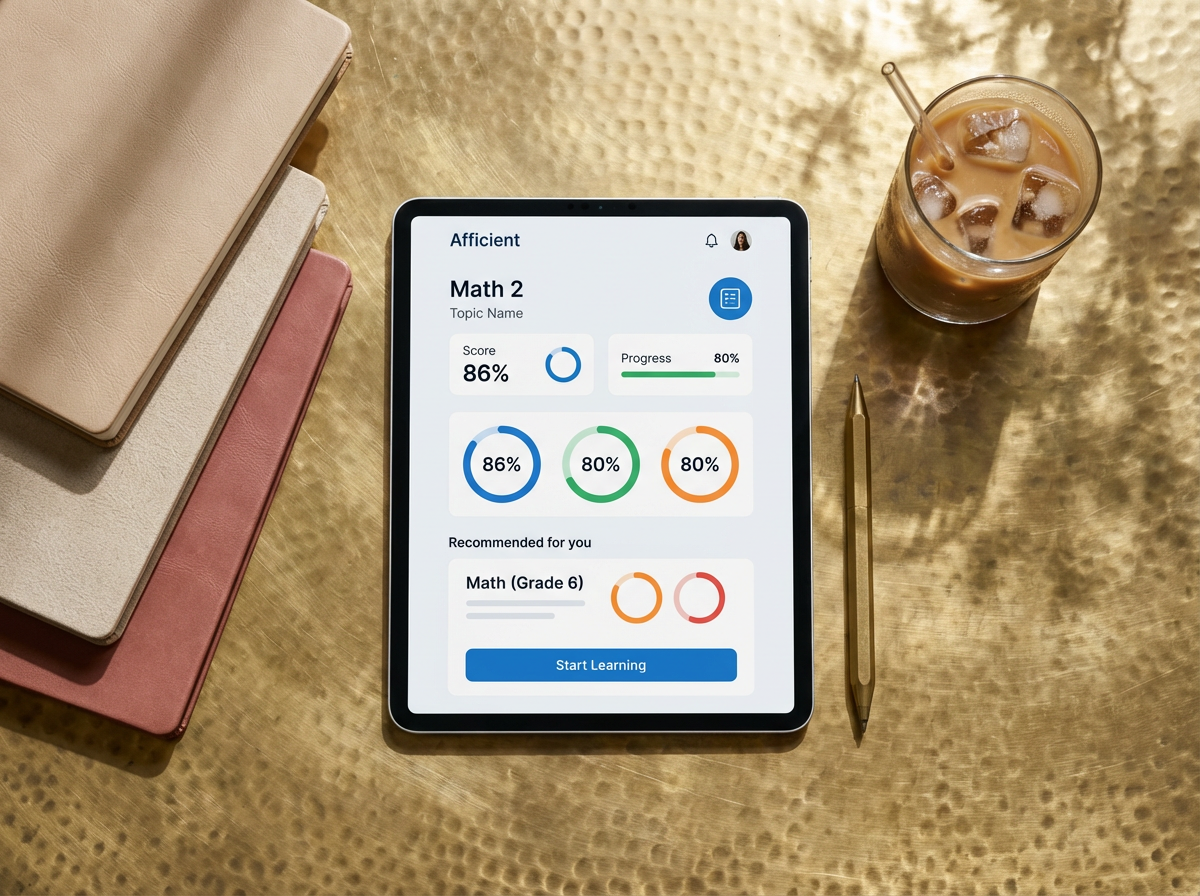
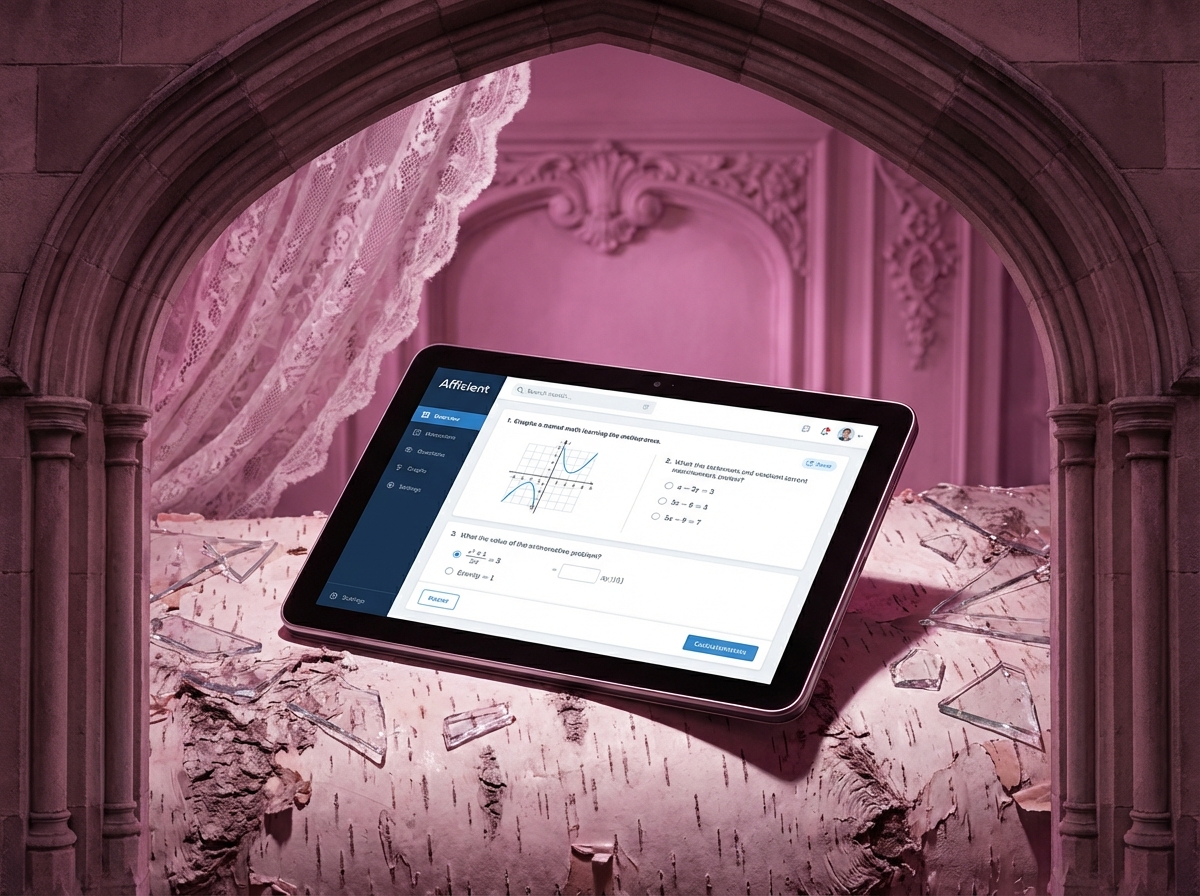
Afficient Academy operates as an AI-driven online platform that analyzes student performance in real-time and creates personalized learning paths. The system provides instant feedback as students work through problems, immediately identifying weak areas and adjusting the curriculum accordingly. This adaptive technology means no two students follow exactly the same path—the program continuously optimizes based on individual performance patterns.
Kumon, by contrast, relies on repetitive paper-based worksheets and daily homework assignments. Students work through standardized materials under teacher supervision, following a predetermined sequence regardless of their specific strengths or weaknesses. The feedback loop is slower, as instructors manually review completed work during scheduled center visits.
Learning Efficiency and Timeline Expectations
One of the most significant practical differences lies in how quickly students can progress. With Afficient’s adaptive approach, over 90% of students advance one full grade level within 2-5 months. The platform’s real-time progress tracking allows the system to accelerate learning when students demonstrate mastery and provide additional support exactly where needed.
Kumon’s methodology emphasizes consistent daily practice over extended periods. The program requires regular attendance at physical learning centers, typically 2-3 times per week, with additional homework on non-center days. This structure means progress tends to unfold more gradually, as the standardized curriculum moves at a fixed pace regardless of individual student readiness.
Curriculum Depth and Academic Preparation
Afficient offers comprehensive math coverage with WASC accreditation, spanning grades 1-12. The curriculum emphasizes both breadth and depth, preparing students not just for current grade-level work but for advanced courses like Algebra, Geometry, and Calculus. The platform also offers SAT/ACT preparation modules, with 6-month access priced at $330.
The program’s English component covers K-9 grade levels, allowing students to strengthen multiple academic areas simultaneously. This integrated approach means families can address comprehensive learning needs through a single platform rather than coordinating multiple programs.
Kumon focuses primarily on foundational arithmetic and fraction skills, with curriculum alignment that may not directly match school coursework. While this builds computational fluency, it may leave gaps in geometry, algebra concepts, and problem-solving strategies that middle school curricula increasingly emphasize.
Cost Comparison and Value Proposition
Afficient’s subscription model offers unlimited platform access with flexible payment options: $190 monthly, $505 for three months, $960 for six months, or $1,820 annually. The platform includes a 7-day money-back guarantee, allowing families to evaluate fit without long-term commitment. ISEE/SSAT preparation costs $490 for three months.
Compared to traditional tutoring services charging $50-150 per hour, Afficient delivers significant cost savings while providing more consistent learning support. Students can access the platform whenever they need help, rather than waiting for scheduled tutoring sessions.
Kumon typically charges $150-200 monthly per subject, requiring families to travel to physical learning centers multiple times weekly. This creates additional time and transportation costs beyond the base tuition.
Technology Integration and Modern Learning
Afficient leverages patented adaptive technology that functions like a personal tutor available 24/7. The system doesn’t just present problems—it analyzes how students approach each question, identifies misconceptions, and adjusts instruction accordingly. This immediate responsiveness means students never practice incorrect methods repeatedly, a common issue with delayed feedback systems.
The platform’s real-time progress tracking gives parents transparent visibility into exactly what their child is learning and where they need support. Detailed analytics show mastery levels across different math concepts, helping families make informed decisions about pacing and focus areas.
Kumon’s paper-based approach lacks this technological infrastructure. While some families appreciate the tactile experience of working on physical worksheets, this method cannot provide the instant feedback and adaptive adjustments that accelerate learning efficiency.
Flexibility and Learning Environment
For middle school students juggling sports, extracurriculars, and social commitments, Afficient’s online accessibility offers crucial flexibility. Students can complete lessons at times that fit their schedules, whether that’s early morning before school, during free periods, or evening hours. This eliminates the logistical challenges of coordinating center visits and reduces the friction that can lead to program abandonment.
The self-paced structure also accommodates different learning speeds. Advanced students can accelerate through material they grasp quickly, while those needing more practice can take additional time without feeling rushed or falling behind a group pace.
Kumon’s center-based model requires consistent attendance at specific times, which can create scheduling conflicts and transportation burdens. For families with multiple children or complex schedules, this rigidity can become a significant practical obstacle.
Making the Right Choice for Your Middle Schooler
The decision between Afficient and Kumon ultimately depends on your child’s learning style, your family’s logistical constraints, and your academic goals. Afficient excels for students who benefit from immediate feedback, need flexible scheduling, or require comprehensive curriculum coverage that aligns with school coursework and standardized test preparation. The platform’s efficiency means students can achieve meaningful progress in months rather than years.
Kumon may appeal to families who value in-person supervision, prefer traditional paper-based learning, or specifically seek repetitive practice in basic computational skills. However, for middle school students who need to catch up, advance beyond grade level, or prepare for high school math courses, Afficient’s adaptive technology and comprehensive curriculum offer distinct advantages.
The 7-day money-back guarantee allows families to test Afficient’s approach risk-free, making it straightforward to evaluate whether the platform meets your child’s needs. With over 90% of students advancing a full grade level within several months, the program demonstrates measurable effectiveness for the majority of learners who engage consistently with the adaptive curriculum.